Increasing property value can be a strategic approach for homeowners and investors alike. Making thoughtful improvements, both cosmetic and structural, can significantly enhance a property’s worth. Attention to curb appeal, modernizing interiors, and ensuring essential maintenance can attract buyers and increase resale profits.
It’s important to consider the local real estate market when planning enhancements. Certain upgrades might yield better returns depending on regional preferences. Routine maintenance, energy-efficient upgrades, and professional landscaping can create lasting impressions that resonate with potential buyers.
Investors should also evaluate market trends and property demands. Upgrades that align with buyer interests, such as updated kitchens and bathrooms, can drive higher offers. Staying informed about the neighborhood and investing wisely can make a substantial difference in property value.
Understanding Property Value
Property value is influenced by a variety of factors, including market conditions, location, and specific characteristics of the property itself. Recognizing these elements can assist in making informed decisions to enhance property value.
Assessing Current Market Conditions
The real estate market operates in cycles influenced by economic conditions, interest rates, and buyer demand. To assess market conditions, one can look at:
- Local Sales Data: Recent sales in the area provide insights into current values.
- Days on Market: Properties that sell quickly generally indicate a strong market.
- Supply and Demand: An increase in demand with limited supply typically raises property values.
Understanding these metrics helps property owners identify trends and anticipate changes that could affect their property’s worth.
The Impact of Location on Property Value
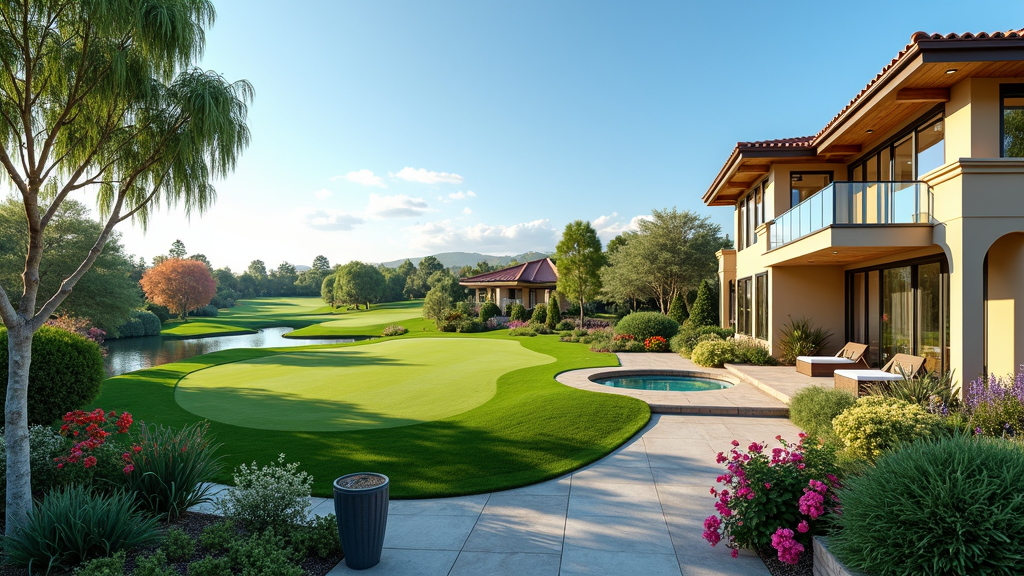
Location plays a crucial role in determining property value. Factors to consider include:
- Proximity to Amenities: Properties near schools, parks, and shopping centers are often more valuable.
- Safety and Neighborhood Reputation: Areas with low crime rates attract buyers, boosting property prices.
- Future Developments: Upcoming infrastructure or commercial projects can enhance desirability.
Evaluating location involves not only current merits but also potential future developments and their anticipated impacts on property value.
Key Factors That Influence Value
Several intrinsic and extrinsic factors can influence property value. Key aspects include:
- Property Size and Layout: Larger properties and well-designed layouts generally command higher prices.
- Condition and Age: Newer properties or those recently renovated are more appealing.
- Market Trends and Comparables: Staying informed about local market trends and comparable properties helps gauge value accurately.
These factors can vary significantly based on local market conditions, making continuous assessment essential for property owners aiming to increase value.
Improving Curb Appeal
Enhancing curb appeal is essential for increasing property value. It involves strategic improvements that make the property more attractive and inviting from the outside. Key elements include landscaping and updating exterior features.
Landscaping and Outdoor Features
Well-designed landscaping can dramatically boost a property’s visual appeal. Planting colorful flowers and maintaining a tidy lawn makes a strong first impression.
Consider including a variety of plants that bloom at different times to ensure year-round interest. Adding shrubs can provide privacy and create a welcoming ambiance.
Outdoor features such as path lights, decorative stones, and borders enhance the aesthetic appeal. A well-maintained lawn is crucial; regular mowing and edging can make a significant difference.
In addition, consider adding elements like a small fountain or bird feeder to attract wildlife and invoke tranquility. These features can create a picturesque setting that appeals to potential buyers.
Exterior Updates and Maintenance
Regular maintenance of the exterior is vital for curb appeal. Simple actions, such as washing windows and painting doors, can refresh a property’s appearance.
A clean, well-maintained facade instills confidence in prospective buyers. Addressing issues like peeling paint or damaged siding can prevent further deterioration.
Updating fixtures like house numbers and light fixtures enhances the overall look of the property. Opt for modern designs that complement the architecture.
Additionally, pressure washing the driveway and walkways helps eliminate dirt and grime buildup, leaving a clean entrance. These updates convey that the property has been well cared for, positively influencing value perception.
Interior Renovations and Upgrades
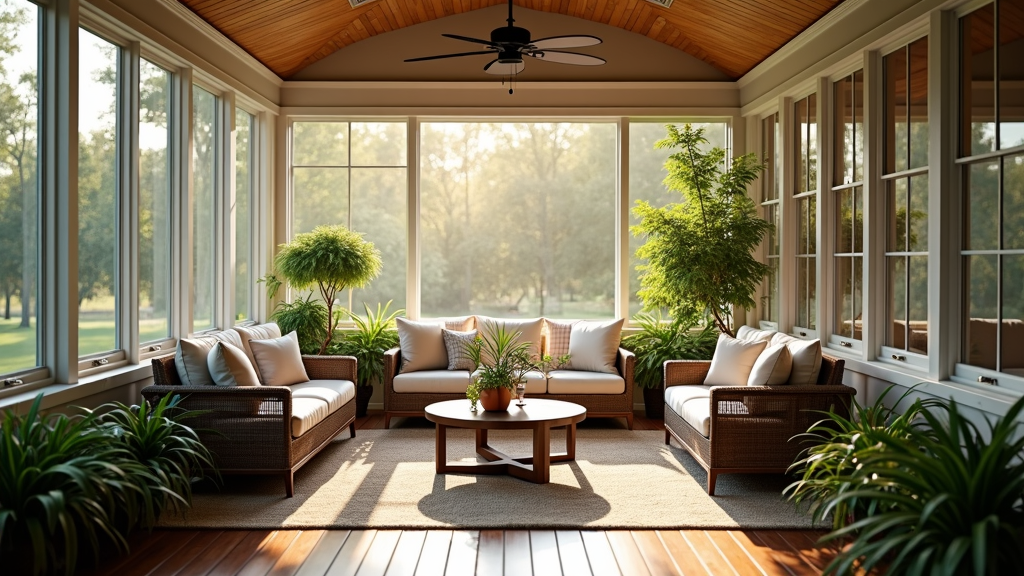
Enhancing the interior of a property can significantly boost its market value. Focus on key areas such as kitchens, bathrooms, living spaces, and energy efficiency to attract potential buyers.
Kitchen Remodeling
A kitchen remodel holds substantial potential for increasing property value. Modern appliances, durable countertops, and attractive cabinetry can make a considerable difference.
Key features to consider include:
- Open Layout: Creating an open-concept design can enhance flow and space perception.
- Smart Technology: Integrating smart appliances offers convenience and energy savings.
- Quality Materials: Invest in high-quality countertops like quartz or granite.
Updating lighting fixtures and adding a backsplash can further enhance aesthetics. Potential buyers often prioritize kitchens, making it a wise investment for value enhancement.
Bathroom Enhancements
Bathrooms also play a critical role in property valuation. A bathroom upgrade, whether that means opting for a bidet installation, changing the flooring, or replacing the bathtub, can create a more enjoyable experience while adding significant appeal.
That said, important elements to focus on include:
- Modern Fixtures: Replace outdated sinks and faucets with contemporary designs.
- Tile Work: Replacing old tiles with new, stylish options can uplift the entire space.
- Energy-Efficient Features: Install low-flow toilets and water-efficient showerheads for sustainability.
Adding features like heated floors or dual sinks can also enhance luxury. These upgrades can make a strong impression on potential buyers.
Living Spaces Revitalization
Revitalizing living spaces can transform a property and appeal to a wider audience. Fresh paint, updated flooring, and improved lighting can create an inviting atmosphere.
Consider these approaches:
- Open Spaces: Removing unnecessary walls can increase natural light and perceived size.
- Neutral Colors: Painting walls in neutral tones can attract diverse buyers.
- Functional Layouts: Designing functional areas, like workspaces or reading nooks, meet modern needs.
Incorporating built-in storage solutions also maximizes space utilization, making homes more attractive to buyers.
Energy Efficiency Upgrades
Energy efficiency improvements not only lower utility costs but also increase property appeal. Buyers increasingly prioritize eco-friendly homes.
Focus on these upgrades:
- Insulation: Upgrading insulation can enhance comfort and reduce energy bills.
- Windows and Doors: Installing energy-efficient windows improves temperature control.
- Smart Thermostats: These devices allow homeowners to manage energy consumption effectively.
Solar panels are also a popular option, offering long-term savings. These enhancements not only provide immediate benefits but also present a strong selling point when listing the property.
Adding Functional Living Space
Maximizing functional living space can significantly boost property value. By strategically expanding existing areas or utilizing unused spaces, homeowners can create an appealing environment that attracts potential buyers.
Building Extensions
Adding an extension is a practical way to enhance property value. Homeowners can consider various types of extensions, such as:
- Single-story extensions: Great for expanding kitchens or living rooms.
- Two-story Extensions: Increases both ground and upper floor space, ideal for larger families.
- Conservatories: Provide additional social or relaxation areas, often with natural light.
Building permissions are usually required. It’s essential to work with architects and builders to ensure compliance with local regulations. The return on investment can be significant if the extension enhances the home’s functionality and aesthetics.
Converting Unused Areas
Transforming unused areas offers a cost-effective way to increase living space. Options include:
- Basement Conversions: Create extra bedrooms, home theaters, or gym areas.
- Attic Conversions: Perfect for office space or guest rooms, utilizing often neglected areas.
Before starting a conversion, homeowners should assess structural capabilities and necessary permits. Insulation and heating are critical for year-round usability. A well-executed conversion not only adds value but makes the home more enjoyable.
Enhancing Storage Solutions
Improving storage can optimize space and appeal to buyers. Key enhancements may include:
- Built-In Cabinets: Efficient use of wall space in living areas and bedrooms.
- Under-Stair Storage: Turns underutilized areas into functional storage solutions.
- Custom Shelving: Offers flexibility to store items in style.
Prioritizing storage solutions helps maintain a clutter-free environment, making the home more inviting. Buyers appreciate homes that provide smart storage solutions, which can lead to higher offers.
Maintaining and Improving Property Conditions
Maintaining and improving property conditions is essential for preserving and enhancing value. Consistent attention to upkeep and modernization ensures that properties remain attractive to buyers and tenants alike, ultimately leading to better financial returns.
Regular Maintenance Schedule
Establishing a regular maintenance schedule is crucial for property management. It should include tasks such as seasonal inspections, cleaning, and essential repairs.
For example, monthly checklists might include:
- Inspecting HVAC systems
- Testing smoke detectors
- Checking plumbing for leaks
Quarterly tasks could involve:
- Cleaning gutters and downspouts
- Inspecting roofs for damage
This proactive approach prevents minor issues from escalating into costly problems. Promoting a routine schedule not only maintains safety but also demonstrates responsibility to potential buyers or renters.
Modernizing Systems and Structures
Modernizing systems and structures is a strategic way to enhance property value. Upgrades may include energy-efficient windows, smart home technology, and updated appliances.
Investing in energy efficiency, such as:
- Energy Star-rated appliances
- High-efficiency heating and cooling systems
These upgrades lower utility costs and appeal to environmentally conscious buyers.
Structural improvements, such as open-concept layouts or improved landscaping, can significantly enhance aesthetics. Regularly reviewing market trends helps identify which upgrades yield the best return on investment.
Addressing Repairs Promptly
Addressing repairs promptly is vital for maintaining property conditions. Delaying repairs can lead to further deterioration, increasing long-term costs and deterring potential buyers or tenants.
Common repairs should be prioritized, such as:
- Roof leaks
- Electrical issues
- Plumbing problems
A leaking roof can cause extensive water damage, mold growth, and structural issues. If you notice missing shingles, ceilings stains, or leaks during rainfall, it’s essential to consult a professional contractor for roofing Mesa (if you happen to reside there) for repairs or replacement. Similarly, faulty wiring and frequent breaker trips pose fire risks-hire a licensed electrician for inspections and repairs. Plumbing issues like leaks or low water pressure can cause costly damage, so prompt attention from a professional plumber is key. Additionally, a detailed record of repairs and maintenance can build trust with future buyers. Documentation of prompt action shows diligence and care, reinforcing the property’s overall appeal and integrity. Taking swift action on repairs helps maintain the property’s value and its marketability.
Utilizing Technology and Smart Home Features
Incorporating technology and smart home features can significantly enhance property value. These upgrades not only improve security and convenience but also contribute to energy efficiency, appealing to modern buyers.
Security Systems
Advanced security systems are a vital investment for any property. Features such as smart locks, video doorbells, and comprehensive surveillance cameras provide homeowners with peace of mind.
- Smart Locks: Allow remote access control, enabling owners to grant entry to guests without being present.
- Video Doorbells: Offer live monitoring and recording capabilities, creating a sense of safety and control.
- Cameras: A complete security system can include outdoor cameras that integrate with mobile devices for real-time alerts.
These systems not only deter crime but also appeal to buyers seeking safety features in their homes.
Smart Appliances and Systems
Smart appliances enhance convenience and efficiency in the household. These devices connect to the internet, allowing for remote operation and monitoring, which is attractive to current buyers.
- Smart Refrigerators: Provide inventory tracking, recipe suggestions, and temperature control from a smartphone.
- Smart Ovens: Enable remote cooking options and programmable settings, making meal preparation easier.
- Connected Washers and Dryers: Offer cycle customization and remote notifications when laundry is complete.
Implementing these features not only modernizes a home but also reduces everyday stress, enhancing its overall attractiveness.
Energy Management Technologies
Energy management technologies are essential for increasing a property’s efficiency. These innovations help homeowners save on utility costs while appealing to environmentally conscious buyers.
- Smart Thermostats: Learn user preferences and adjust heating and cooling automatically, maximizing comfort and efficiency.
- Energy Monitoring Systems: Track energy consumption in real-time, allowing for better management of energy use.
- Automated Lighting: Reduces electricity costs by adjusting lights based on occupancy or time of day.
By integrating these technologies, property owners can highlight energy efficiency, making their homes more desirable in the competitive real estate market.
Home Staging and Presentation
Effective home staging and presentation can significantly enhance a property’s appeal. By focusing on aesthetics and creating a welcoming atmosphere, sellers can attract potential buyers and increase property value.
Decluttering and Depersonalizing
A key aspect of preparing a home for sale is decluttering. This involves removing excess items, which can make spaces feel larger and more inviting.
- Personal items should be minimized. Family photos and personalized decorations can distract buyers.
- Organize storage spaces. Buyers will open closets and cabinets; organized spaces suggest ample storage.
Additionally, consider donating or discarding items to simplify rooms. Clean surfaces and eliminate unnecessary furniture, allowing buyers to visualize their own possessions in the space. A clean environment fosters a positive emotional response, encouraging offers.
Interior Design and Decor
Well-thought-out interior design and decor create an appealing environment. Neutral colors tend to attract a wider range of buyers, making rooms feel more spacious.
- Furniture arrangements should promote flow throughout the space. Grouping furniture can create inviting conversation areas.
- Lighting plays a crucial role. Ensure all rooms are well-lit to highlight features and create warmth.
Incorporating modern touches, such as stylish accessories and updated fixtures, can also enhance a property’s value. Balanced aesthetics, appealing textures, and cohesive themes will help the home stand out during showings.
Professional Photography for Listings
High-quality photography is essential for online listings. Buyers often shortlist properties based on photos alone, making professional images a valuable investment.
- Hire a professional photographer who understands real estate. They will use techniques to showcase the property’s best features.
- Consider virtual tours. These allow potential buyers to experience the home from their devices, increasing interest.
Proper lighting and staging are crucial during the photo shoot. A well-staged home, captured brilliantly, can lead to quicker sales and potentially higher offers.
Navigating Legal and Compliance Issues
Addressing legal and compliance issues is essential for enhancing property value. Observing zoning laws, acquiring necessary permits, and ensuring adherence to regulations are critical steps in this process.
Understanding Zoning Laws
Zoning laws dictate how properties in specific areas can be used. These regulations can affect property values significantly.
Property owners should familiarize themselves with local zoning classifications. Common types include residential, commercial, and industrial. Each class has distinct uses and restrictions.
Before making changes or investments, it is advisable to check zoning maps and consult local planning authorities. Understanding potential zoning changes can impact future property value.
Failure to comply with zoning laws may lead to fines or property devaluation. Hence, awareness and adherence are vital for long-term success.
Obtaining Necessary Permits
Acquiring the right permits is crucial before undertaking renovations or new constructions. Various types of permits, such as building, electrical, or occupancy permits, may be required.
Each permit serves a specific purpose. Without the proper authorization, construction projects can face delays or legal complications.
It is advisable for property owners to engage with local government agencies or consult professionals. This ensures that they navigate the permitting process efficiently.
Understanding the scope and timeline for permit approvals helps in planning projects more effectively. Being proactive in this area can safeguard investments and increase property value.
Ensuring Compliance with Regulations
Regulations vary by location and impact various aspects of property management. Compliance ensures safety, protects the environment, and maintains community standards.
Property owners should stay informed about local, state, and federal regulations. Key areas include building codes, safety standards, and environmental laws.
Regular inspections and audits can help identify compliance issues early. Addressing these proactively can prevent costly fines or legal actions.
Investing in compliance not only protects properties but also enhances reputational value within the community. It fosters trust and can lead to increased property appeal for potential buyers or renters.
Financial Considerations
When improving property value, financial planning is crucial. Strategic budgeting, understanding the return on investment, and being aware of tax implications can significantly influence the project’s success.
Budgeting for Projects
Establishing a clear budget is the foundation for any property improvement project. This involves estimating costs for materials, labor, and permits. Property owners should list expected expenses and possible contingencies.
Using a budgeting tool can help track spending against the forecast. Prioritizing projects by estimated return can ensure funds are allocated efficiently. It’s essential to also consider financing options, whether through savings, loans, or lines of credit.
A well-structured budget can prevent overspending and help maintain financial stability during renovations.
Return on Investment Analysis
An essential factor in increasing property value is determining the return on investment (ROI) for each project. Property owners should research which improvements yield the highest returns in their area, such as kitchen remodels, bathroom upgrades, or energy-efficient installations.
Calculating ROI involves comparing the costs of the project against the potential increase in property value. For example, if a $20,000 kitchen renovation results in a $30,000 increase in property value, the ROI is 150%.
Tools and calculators are available to help assess and forecast these figures, facilitating informed decision-making.
Tax Implications of Improvements
Property improvements can influence tax obligations, making it important to understand potential implications. For instance, homeowners may be eligible for tax deductions for certain improvements, especially those that enhance energy efficiency.
Additionally, capital improvements may affect property tax assessments. Increased value may lead to higher property taxes, so it’s important to consult a tax advisor to navigate these changes.
Understanding local tax regulations can help property owners budget accordingly and avoid surprises when it comes time to file taxes.
Hiring Professionals
Investing in professionals can significantly enhance property value. Quality workmanship and expertise are crucial in various areas, including renovations and maintenance.
Benefits of Hiring Professionals
- Expertise: Professionals bring specialized knowledge that can prevent costly mistakes.
- Efficiency: They complete tasks more quickly, which saves time and minimizes disruption.
- Quality: Their workmanship often results in a higher standard of finish.
Key Professionals to Consider
- Real Estate Agents: They provide insights on market trends and pricing strategies.
- Contractors: Qualified contractors manage renovations and ensure projects meet local codes.
- Inspectors: Home inspectors identify issues before they become problems, allowing for informed decisions.
Hiring Tips
- Check References: Always ask for and follow up on references to gauge past performance.
- Get Multiple Quotes: Compare costs to ensure competitiveness without sacrificing quality.
- Verify Credentials: Ensure all professionals hold the necessary licenses and insurance.
Engaging the right professionals can lead to a marked increase in property value, making it a worthwhile investment.